

Improved connectivity, more flexible itineraries and new business opportunities: Why the direct air link between Italy and Vietnam (or direct flight Milan – Hanoi) represents a valuable opportunity for tour operators and travel agencies.
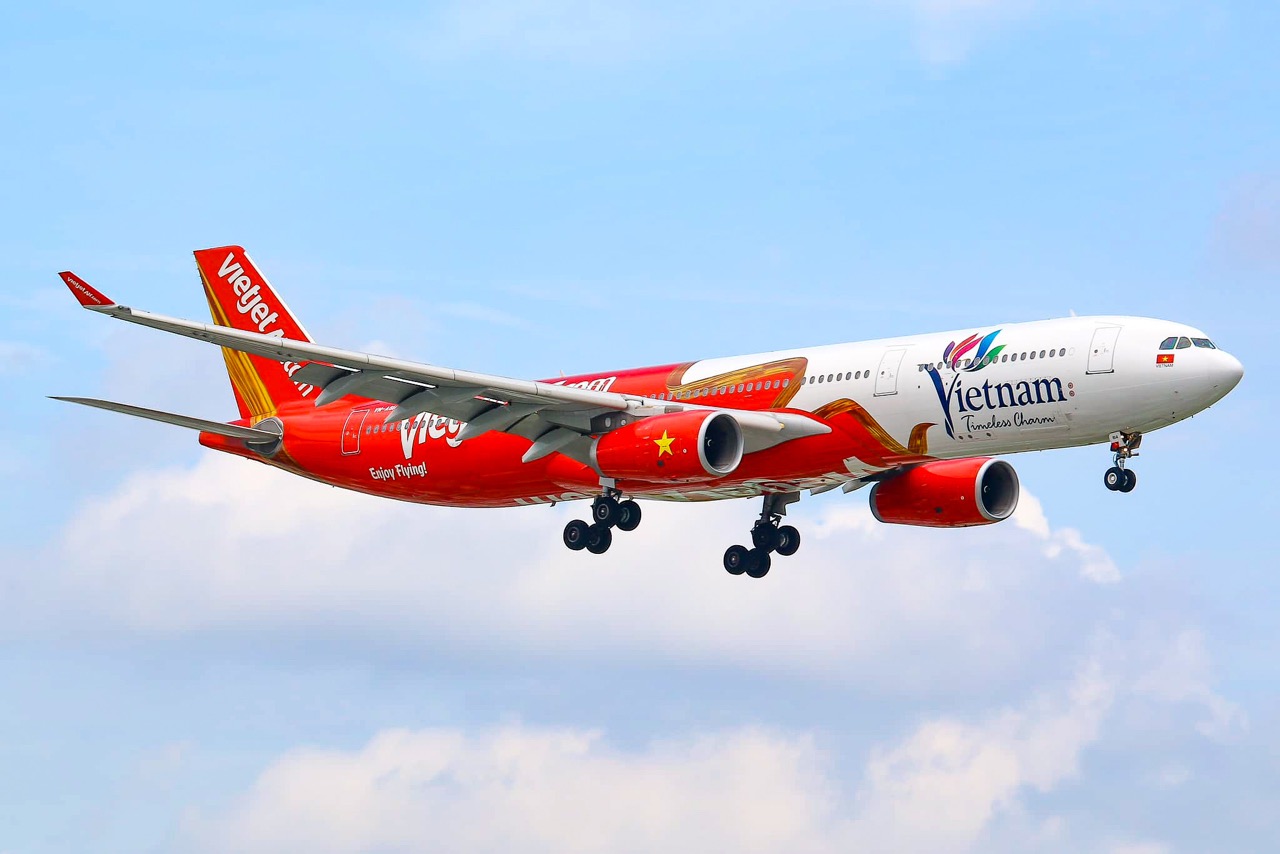
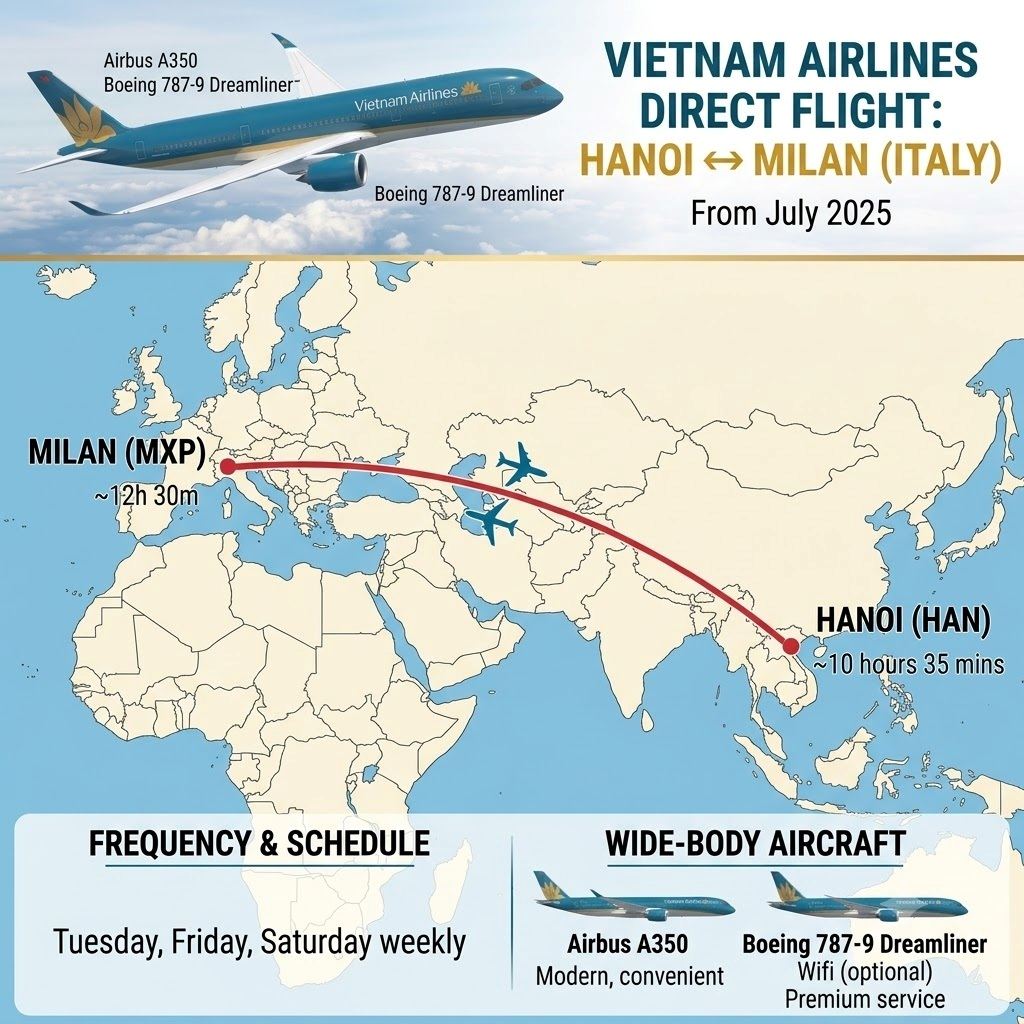
Vietnam Airlines launched its direct flight Milan – Hanoi route on 1 July 2025. More than a year after its launch, it is time to look beyond the introduction of the route and explore how this air connection can support the development of new travel products, broaden target audiences and strengthen Vietnam’s competitiveness as a long-haul destination.
A new connection between Italy and Vietnam
For years, travelling from Italy to Vietnam often meant connecting through an international aviation hub. The launch of the direct flight Milan – Hanoi introduced a new option, making Vietnam more accessible and creating greater flexibility when designing travel itineraries.
At launch, Vietnam Airlines planned to operate three weekly flights, on Tuesdays, Fridays and Saturdays, using Boeing 787 Dreamliner aircraft, with a flight time of approximately 12 hours each way. The route has also strengthened the connection between Vietnam and Northern Italy, an important market for travel distribution and travellers interested in Asia.
For Italian travel companies, the value of this connection goes beyond reducing travel time. Easier access can make Vietnam a more attractive and easier-to-sell destination, particularly for travellers with limited annual leave or those who prefer to avoid stopovers.
Operational note: Flight frequencies, schedules and fare conditions should be checked against Vietnam Airlines’ latest published information before the article is released or travel products are marketed.
Direct Flight Milan – Hanoi
The Italian market: promising prospects for growth
Figures point to growing interest in Vietnam among Italian travellers. In 2024, arrivals from Italy to Vietnam increased by 55.8% compared with 2023, according to figures released by Vietnam’s national tourism authorities. During the same year, Vietnam welcomed more than 17.5 million international visitors, marking a strong recovery for the tourism sector.
These results, combined with improved air connectivity, create favourable conditions for Italian tour operators to develop and diversify their travel programmes. The direct route may also help stimulate demand for independent travel, small-group tours and organised circuits, extending sales opportunities beyond traditional peak travel periods.
The commercial potential can be explored along three main directions:
- Strengthening classic itineraries: Cultural circuits combining Hanoi, Ha Long Bay, Central Vietnam and Ho Chi Minh City.
- Diversifying travel products: Themed itineraries focused on gastronomy, local culture, nature, wellness and responsible tourism.
- Reaching new customer segments: Independent travellers, couples, small groups, multigenerational families and premium clients seeking more personalised experiences.
The objective is not simply to increase the number of departures, but to develop a broader portfolio of products that meets different travel preferences and budget levels.
Which travel products can Italian Tour operators develop?
Vietnam lends itself to a wide range of travel experiences, offering opportunities to differentiate products by duration, itinerary and content.
1. The classic Vietnam circuit: 10–14 Days
A comprehensive itinerary can begin in Hanoi, continue to Ninh Binh and Ha Long Bay, explore Central Vietnam through Hue and Hoi An, and conclude in Ho Chi Minh City and the Mekong Delta.
This product is well suited to tour operators introducing Vietnam to first-time visitors, offering a balanced combination of cultural heritage, landscapes, gastronomy and opportunities to discover local life.
2. Northern and Central Vietnam: 7–10 Days
For travellers with less time available, an itinerary focusing on Hanoi, Ninh Binh, Ha Long Bay and Hoi An allows them to discover some of Vietnam’s most representative destinations while reducing the number of long-distance transfers.
This format may appeal to organised groups, travellers with limited holiday time and customers who prioritise the quality of their visits over the number of destinations covered.
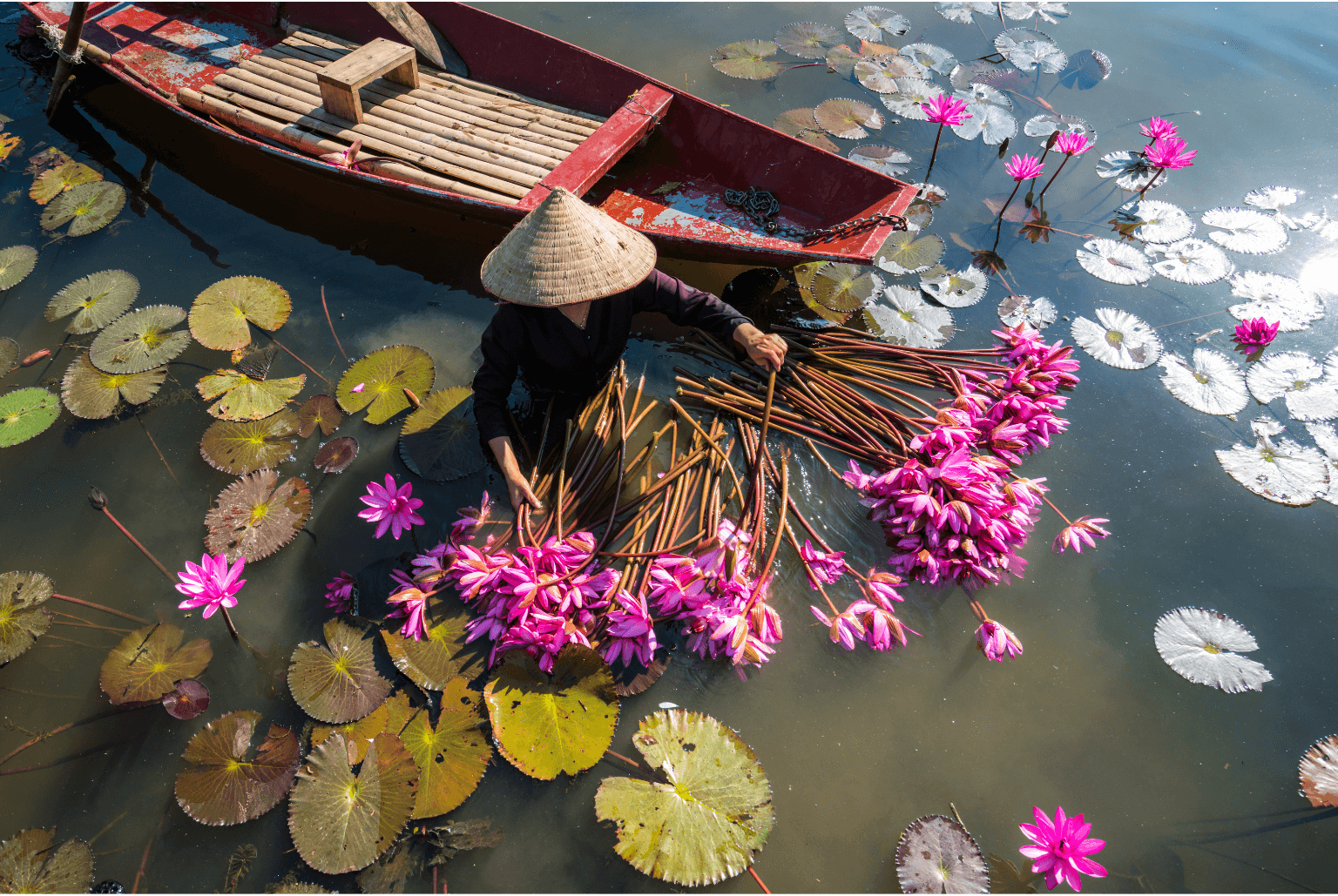 3. Authentic Vietnam and experiential travel
Food experiences, local markets, boat trips along the waterways of the Mekong Delta, traditional handicraft workshops and encounters with local communities can help differentiate a product from more standardised circuits.
For the Italian market, combining regional cuisine, history, traditions and everyday life can become a distinctive selling point when presenting and promoting Vietnam itineraries.
4. Premium Vietnam and tailor-made travel
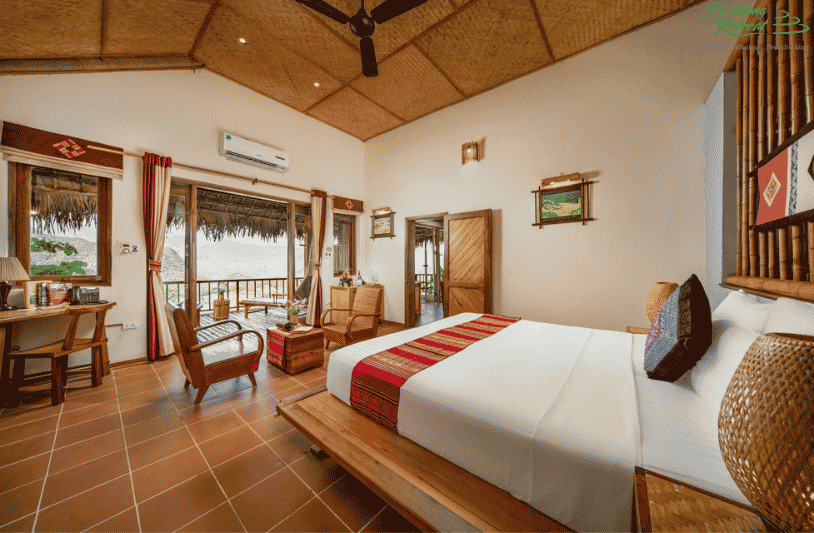
Boutique hotels, characterful accommodation, private guides, personalised transfers, curated culinary experiences and exclusive services provide opportunities to create more flexible itineraries.
This segment offers potential for agencies specialising in tailor-made holidays, honeymoons, special occasions and high-end travellers with specific expectations.
5. Vietnam and Cambodia, or Vietnam and Laos
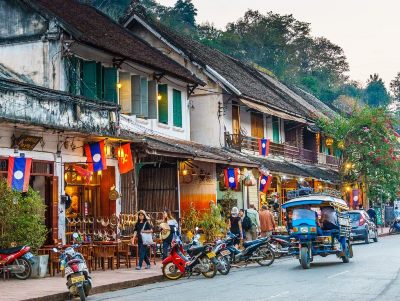
For operators offering longer cultural journeys, Vietnam can serve as a starting point for multi-country itineraries across Indochina. Extending a trip to Cambodia or Laos allows operators to broaden the travel experience while showcasing the region’s historical and cultural heritage.
Feasibility should be assessed according to the available travel time, air and overland connections, and the time required for cross-border transfers.
How can travel agencies make the most of the direct route?
From a commercial perspective, the new route can be leveraged through more targeted product planning.
Fixed-departure group tours
The direct connection provides a useful basis for planning departure calendars, negotiating hotel room allocations and coordinating ground services further in advance. For group travel, actual seat availability and fare conditions must be confirmed before a programme is committed to customers.
Independent travel and small groups
Agencies can offer flexible departure dates, private itineraries and service combinations tailored to individual preferences, rather than relying exclusively on a single standard circuit.
Seasonal programming
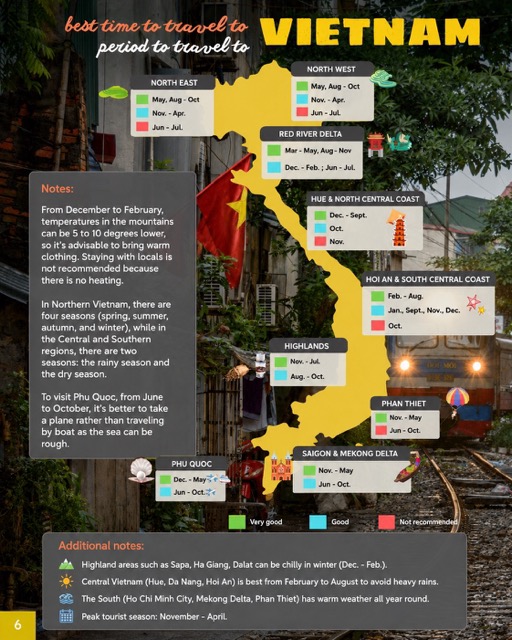
Vietnam’s climate varies considerably between the North, Central Vietnam and the South. Itinerary planning should therefore take seasonal conditions into account: the best time to visit one region is not necessarily ideal for another.
Themed products and niche markets
Gastronomy, photography, architecture, UNESCO heritage sites, nature and responsible tourism can provide themes for travel catalogues, digital marketing campaigns and specialised programmes.
Combining Vietnam with other Asian destinations
For customers seeking a longer holiday, operators can consider regional extensions, provided that flight schedules and transfer times are compatible with the overall itinerary.
The role of a DMC in Vietnam : turning air connectivity into a marketable product
A more convenient air connection is only the starting point. The quality of the travel product also depends on itinerary design and the coordination of services at the destination.
For an Italian tour operator, working with a Destination Management Company (DMC in Vietnam) means having a local operational partner with destination expertise, established supplier relationships and the ability to adapt programmes to the needs of the source market.
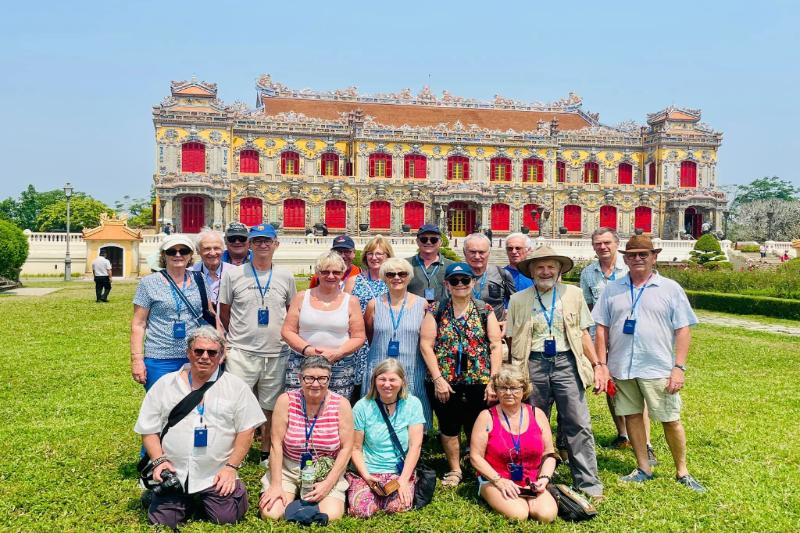
A DMC in Vietnam can support partners with:
- Designing FIT and GIT itineraries, from classic circuits to tailor-made programmes.
- Selecting and negotiating with hotels, restaurants, transport providers, guides and activity suppliers.
- Developing programmes with different service levels and price points.
- Managing reservations and coordinating ground services.
- Providing operational assistance throughout the trip and handling unexpected situations.
- Developing MICE, incentive and corporate travel programmes.
- Updating itineraries according to seasonality and customer requirements.
For Italian partners, this approach allows them to focus their resources on distribution, consultancy and sales, while entrusting destination operations to a specialised local partner.
Another advantage is the ability to develop differentiated products without having to establish an in-house supplier network across every region of Vietnam.
Visas and travel planning: what to check before departure
Entry requirements also influence how easily a destination can be sold. Vietnam’s visa exemption policy for Italian citizens is subject to specific conditions and permitted lengths of stay, which should be checked against the regulations in force at the time of travel.
Before confirming a booking, travel companies should verify passport validity, permitted length of stay, entry requirements and the rules applicable to travellers holding nationalities other than Italian.
Operators should also check updated flight schedules, connection times, ticketing conditions and the applicable policies in the event of operational changes.
Providing clear information on these matters helps reduce customer uncertainty and improve the overall travel experience.
A favourable outlook for B2B collaboration
More than a year after the launch of the direct flight Milan – Hanoi, the priority for travel companies is not simply to add Vietnam to their product portfolio, but to identify the products best suited to their customers.
Opportunities range from expanding classic Vietnam circuits and organising fixed-departure group tours to developing experiential travel and strengthening tailor-made offerings.
To achieve tangible commercial results, three elements need to work together: up-to-date flight planning, travel products aligned with market demand, and a reliable local partner.
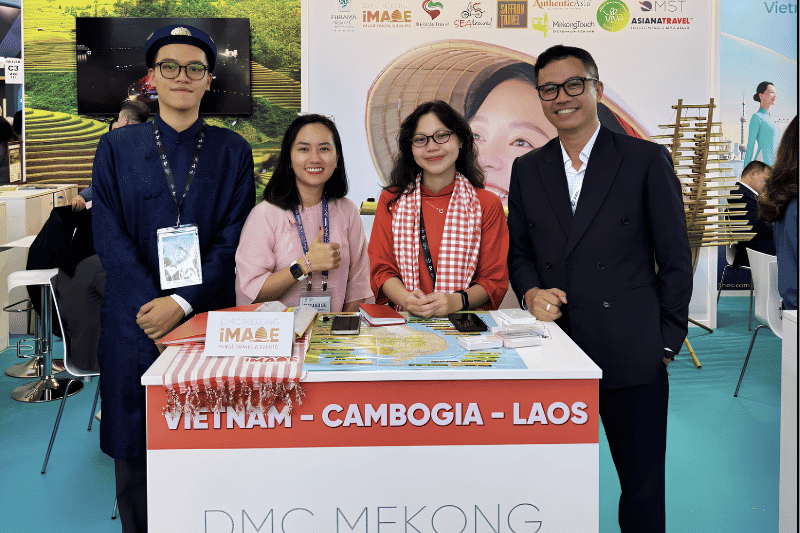
DMC Mekong IMAGE Travel & Events works with tour operators and travel agencies to design and organise itineraries in Vietnam, Cambodia and Laos, offering solutions for groups, tailor-made individual travel, incentive programmes and MICE.
Working with a local DMC helps turn the destination’s potential into practical, market-ready products designed around the needs of the Italian travel trade and the expectations of Italian travellers.
Now is the time to develop new Vietnam travel products.
For further information, quotation requests or the development of new programmes for the Italian market, please contact: info@dmcmekongimage.com
Laetitia Phuong Ha Tran